
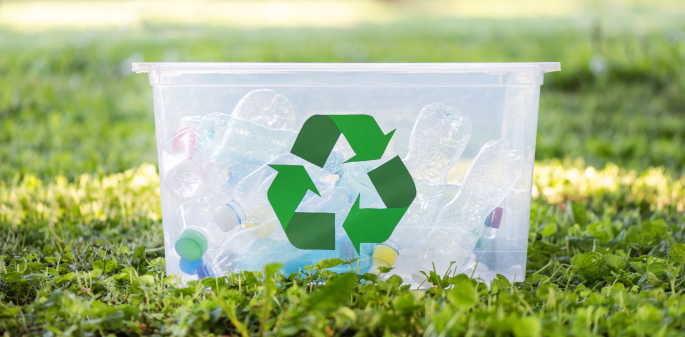
Recycling is the process of collecting and processing materials that would otherwise be thrown away, with the aim of turning them into new products. It plays a crucial role in reducing waste and conserving natural resources.
As awareness of environmental issues grows, recycling has become a widely adopted practice. Sorting and processing materials like plastics, glass, and paper allow for their transformation into new items, contributing to a more sustainable future.
The implementation of recycling programs at the community level has proven to be an effective way to encourage people to participate in waste reduction efforts. By separating recyclables from general waste, individuals can actively contribute to the preservation of the environment.
Beyond its environmental benefits, recycling also has economic advantages. The reuse of materials reduces the demand for raw resources and decreases the overall cost of production.
Educational initiatives play a vital role in promoting recycling habits. Teaching individuals about the impact of their choices on the environment encourages responsible waste disposal and fosters a sense of environmental responsibility.
The development of innovative technologies in recycling processes enhances efficiency and expands the range of materials that can be recycled. Continuous research in this field contributes to finding more sustainable solutions for waste management.